
Conference Re-cap
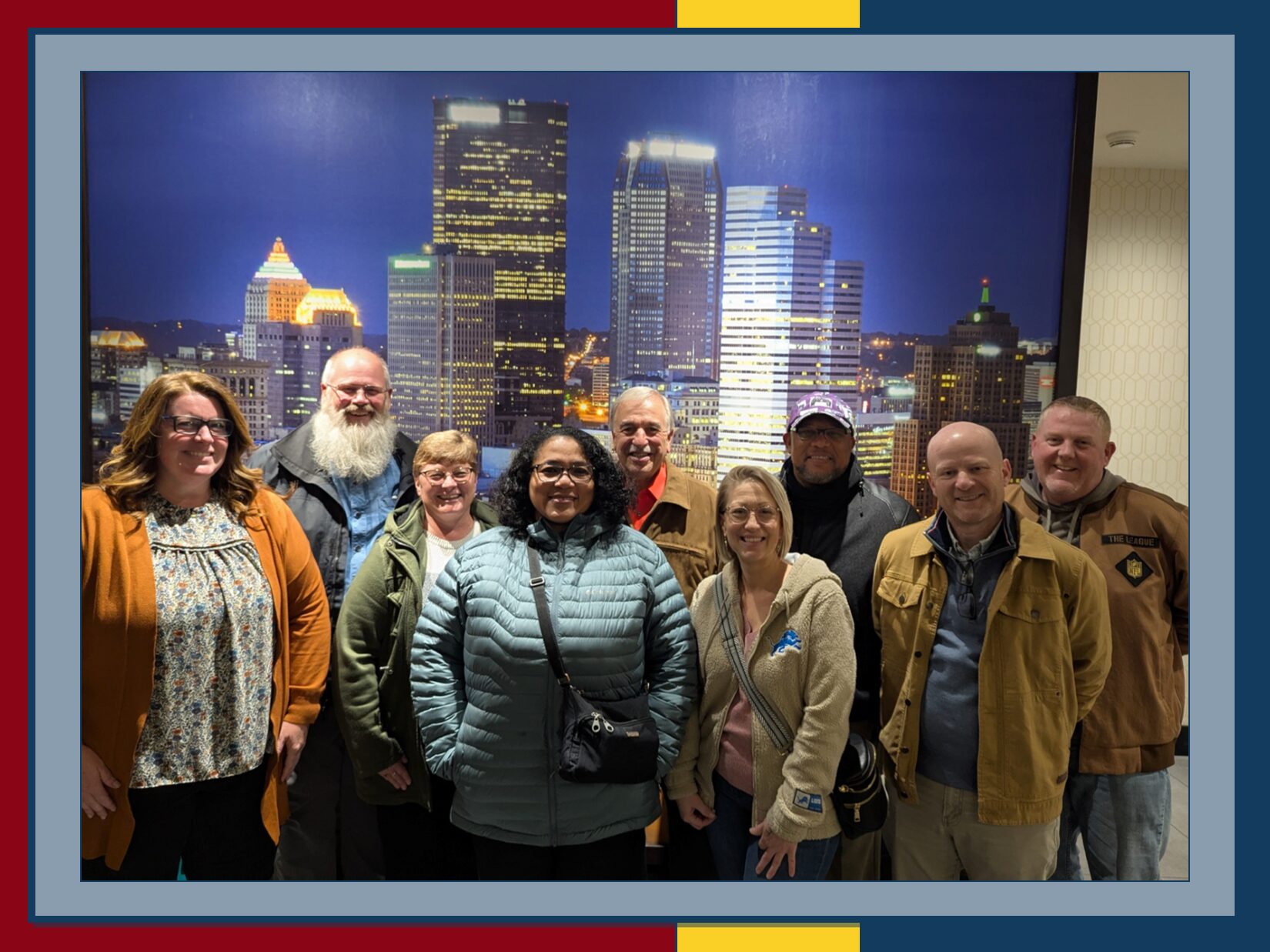
NAPSA’s 59th Annual Conference was held from October 19-22, 2025 at the Drury Plaza Hotel Pittsburgh Downtown. The conference was presented in a hybrid format, with opportunities to attend both in person or via virtual means.
The conference led off with Dr. Bart Rocco, who provided a warm welcome to all attendees on behalf of the University of Pittsburgh. He also gave an excellent presentation titled “Where to Go from Here?” which touched upon what has changed, the message of Dr. Martin Luther King, Jr. and its relevance today, and the issues that are constants in our schools. Dr. Rocco’s presentation provided hope and inspiration while motivating attendees to dig into what the conference would be offering.
Dr. Melissa Nelson, followed up with an outstanding presentation titled Leading Safe and Secure Cultures & Climates During Turbulent Times. Part 1 of the session focused on Understanding Current K12 Safety and Security Landscapes and looked at how a multidisciplinary threat assessment team, in conjunction with the appropriate policies, tools, and training, is the best practice for preventing future tragedies. Part2 of the session looked at the importance of Evidence-Based Skills, Practices, and Resources for building and enacting an effective threat assessment process. Dr. Nelson’s expertise was on full display as she provided valuable insight gleaned from years of experience in providing response services, training, and policy consultation to school districts and agencies across Pennsylvania and the country.
Next up was a terrific presentation from members of the Avonworth (PA) School District Bridges program, which has been nationally recognized in EdWeek and K-12 Dive articles. Attendees were truly appreciative of the insight provided in this session, which included being part groups led by elementary school students and inspiring anecdotes and explanations regarding this outstanding program..
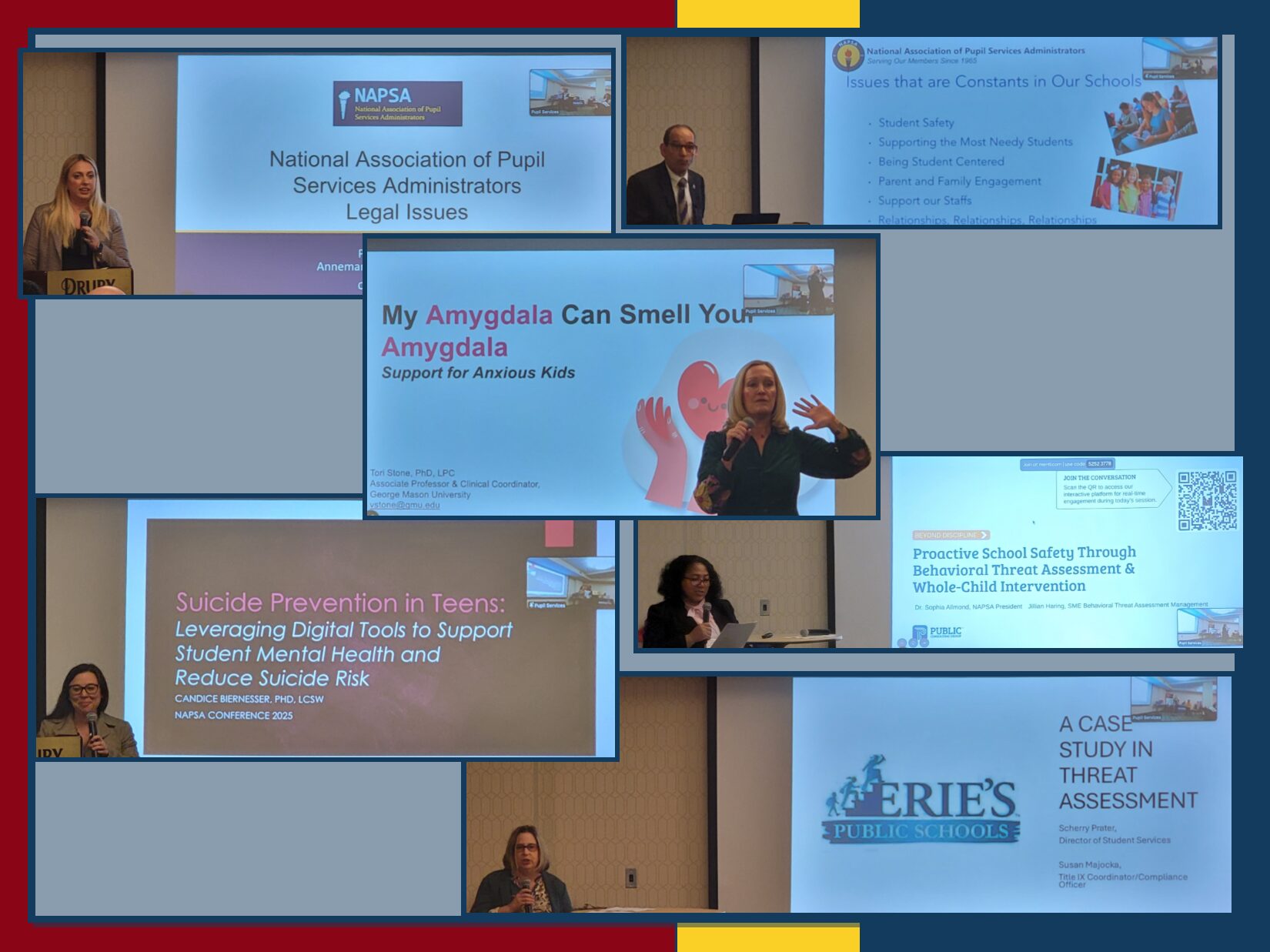
The afternoon sessions were kicked off by a presentation by Pitt’s Dr. Candice Biernesser titled Suicide Prevention in Teens: Leveraging Digital Tools to Support Student Mental Health and Reduce Suicide Risk. This highly informative session revealed how suicide is a significant public health problem and youth are particularly at risk according to the Youth Risk Behavior survey. It also showed the health disparities in suicide risk as well as how to identify and understand risk & protective factors. Dr. Biernesser truly did a terrific job on an extremely important topic.
The day concluded with an acclaimed presentation on Legally Defensible and Innovative Solutions for Meeting Student Needs. Here, Gabrielle Sereni, Esq. teamed up with NAPSA’s own Terri Bracken to show how managing legal risk helps to meet student needs and pointing to the most common legal triggers facing student services teams. They also provided invaluable insight as to what makes a plan defensible. The session concluded with a focus on the role of administrators in this all-important process.
Day 2 of the conference opened with a highly informative and entertaining keynote session by Dr. Victoria Stone from George Mason University titled My Amygdala Can Smell Your Amygdala: Support for Anxious Kids. By connecting the physiology of anxiety in people — particularly how the amygdala is involved — with strategies to manage anxiety, kids and teens gain mindfulness. What an invaluable benefit for our students!
Next up was a terrific session on legal issues impacting pupil services featuring nationally recognized Super Lawyer Annemarie Harr Eagle, Esq. The presentation focused on legal issues in areas salient to pupil services administration, including special education, and was, as always, extremely informative.
The legal session was followed by Erie School District’s Dr. Scherry Prater, who provided an excellent look at how behavioral threat assessments can be effectively administered in schools. By providing real-life examples as to how administrators can put together this all-important programming was a tremendous benefit to attendees looking to learn from someone who knows how.
The day concluded with an excellent presentation titled Beyond Discipline: Proactive School Safety Through Behavioral Threat Assessment & Whole-Child Intervention. NAPSA President Dr. Sophia Allmond was joined by seasoned professional Jillian Haring to provide an outstanding session that put forth real-life scenarios that showed what to do as well as what not to do when faced with such circumstances and providing the 10 STEPS OF (BTA) BEHAVIORAL THREAT ASSESSMENT. Attendees came away from this session buzzing about what they learned.
The final day of the conference saw Burrell (PA) School District and NAPSA’s own Dr. Greg Egnor provide a great session on how to go From Reactive to Proactive: A Blueprint for Effective Behavioral MTSS. Dr. Egnor did a super job of showing attendees how to recognize the difference
between a referral system and behavioral MTSS, how to identify current & future capacity to deliver intervention through a multi tiered system of support, and how to examine effective practices for managing MTSS. Dr. Egnor also showed how Behavioral MTSS is used to create a proactive framework for supporting student needs in school, maximizing success in academic, social-emotional, and behavioral domains. It shifts the focus from solely reacting to problem behaviors to systematically teaching, supporting, and reinforcing expected behaviors for all students. He also provided a breakout session that allowed attendees to examine their current MTSS programming in order to gain invaluable insight and perspective.
The Numbers Are In!
Conference evaluation results show that the 2024 NAPSA conference was a terrific success. In fact, evaluation data reveal that attendees were quite pleased with sessions offered, seeing them as timely and on point with regard to the current state of affairs in the field. With regard to presenters, combined ratings were again over 90%.
Overall conference ratings showed the vast majority of respondents giving marks above 90%.
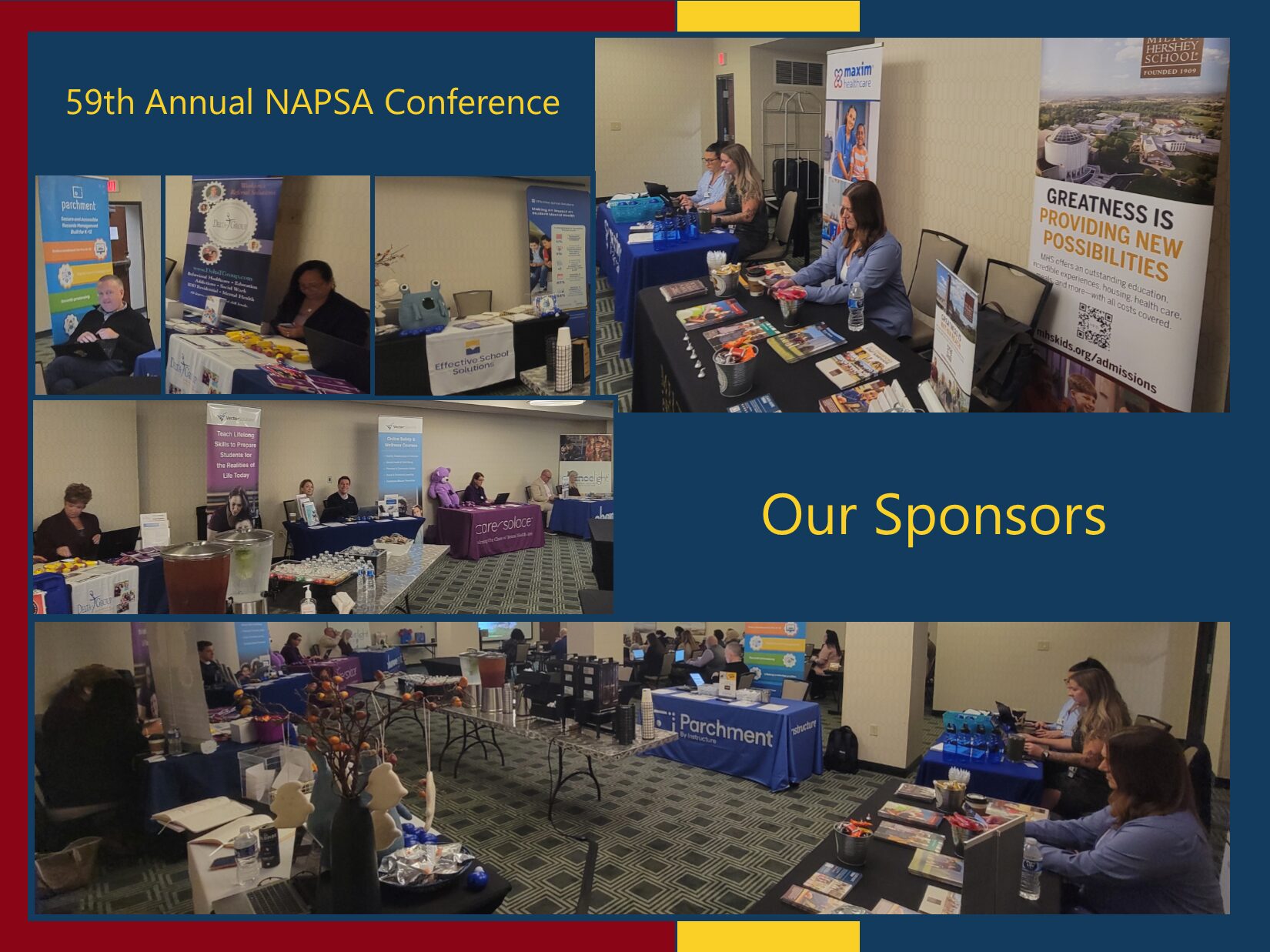
Of course, the conference would never have come off as well as it did without the efforts of our executive board and our corporate partners.
Certainly, all constructive criticism garnered through the evaluation process will be taken into consideration as the NAPSA Executive Board begins preparations for our 60th Annual Conference at a site and date to be determined shortly.
All additional suggestions from NAPSA members are welcome and can be submitted to Dr. Arnold at napsa@ptd.net or by calling 570-656-4286.